What separates a legitimate point of sale from a fraudulent one, and which U.S. customs rules apply when bringing Dominican cigars home.

Two distinct buying scenarios
The intent behind “buying Dominican cigars” differs depending on the starting point: someone visiting the Dominican Republic faces counterfeiting risk in tourist areas, while someone buying while already in the United States is really asking about authorized channels and import rules. This guide addresses both scenarios separately.
Buying on the island: the counterfeiting problem
The spread of informal vendors in tourist areas — beaches, streets near resorts, improvised stalls — is the main risk for anyone seeking an authentic cigar within the country. Trade coverage has documented the issue for years: industry reporting has noted that this has been described as embarrassing for the Dominican government itself, in part because the margins involved make enforcement a low priority for authorities.
Signs that distinguish a legitimate point of sale:
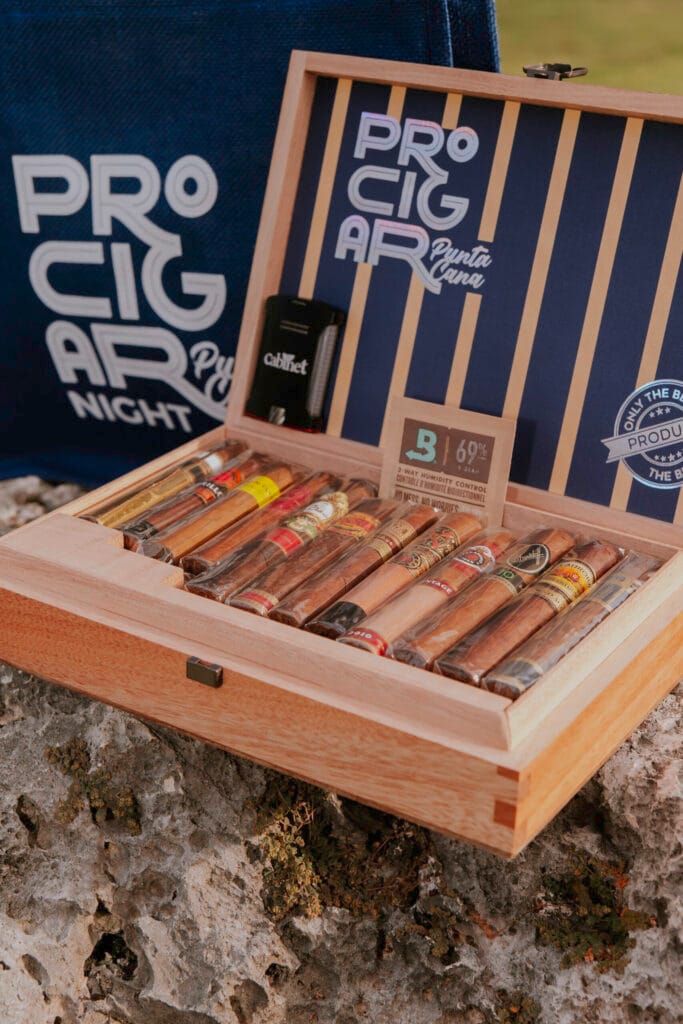
Display conditions: reputable brands do not supply retailers that fail to maintain proper climate conditions, generally close to 70°F and 70% humidity. A cigar displayed without temperature or humidity control is a warning sign.
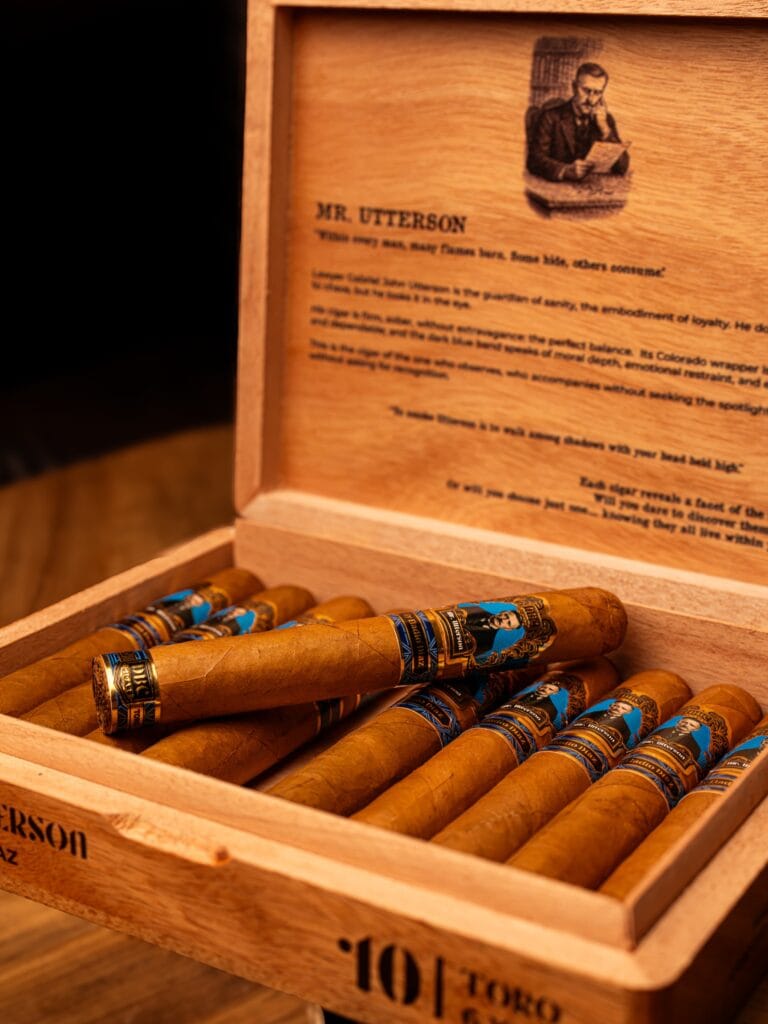
Packaging: authentic premium boxes — whether imitation Cuban or high-end Dominican — never use glass or clear plastic lids; if the cigars are visible through the lid, it’s a counterfeit.
Physical consistency: cigars from the same box should show similar wrapper shade, weight, and size; marked variation within a single box suggests the contents were assembled informally.
Declared origin: it’s worth noting that recognized Dominican brands have rarely been the direct target of counterfeiting under their own name — the more common fraud on the island involves generic cigars sold under fake Cuban bands, not Dominican ones — which in practice makes buying a cigar honestly labeled as Dominican simpler than buying an alleged “Cuban” while in the Dominican Republic.
Bringing Dominican cigars into the United States
For travelers returning to U.S. territory, specific Customs and Border Protection (CBP) limits apply:
Returning residents may import tobacco products only within the quantities specified by their personal exemption — no more than 100 cigars if arriving from a country outside the beneficiary/insular possession list.
The general exemption allows up to 100 cigars per person, within a total value of $800, duty-free if those limits aren’t exceeded. Exceeding them doesn’t block entry, but requires paying duty on the excess, calculated on declared value.
Cigars must be declared on the appropriate customs form (CBP Form 6059B) on arrival.
A separate restriction, independent of the numeric limit: cigars of Cuban origin cannot currently be imported into the United States under any circumstance, regardless of which country they were purchased in. This matters because part of the island’s informal trade sells cigars presented as Cuban — almost always counterfeit — which would be confiscated on arrival regardless.
Buying while already in the United States
For those seeking Dominican cigars without traveling to the island, the relevant channel is the authorized tobacconist: retailers operating as official distributors for Dominican producing houses, able to show the provenance of their inventory. The simplest sign of a legitimate channel is the same one that applies on the island — proper humidor conditions and brand traceability — rather than the lowest price found in a quick search.
Editorial note
This guide does not recommend specific retailers: Dominican Leaf’s role is to explain verification criteria, not to direct traffic toward any particular point of sale. For reviews of individual producing houses, see the “Reviews” Post Type.
Sources consulted
U.S. Customs and Border Protection (CBP) — tobacco exemptions and rules
Cigar Aficionado — reporting on cigar counterfeiting
Chateau Diadem — authenticity signals in cigar packaging
Living Punta Cana — coverage of informal cigar sales to tourists